The common foundation: FUE
In most hair transplants performed today, grafts are harvested with FUE, meaning they are extracted one by one from the donor area. Technique names mostly describe the answer to two questions: is the hair trimmed, and which instrument is used to place the grafts?
The techniques side by side
| Technique | Is the hair trimmed? | Placement | Most often considered for |
|---|---|---|---|
| Long hair transplant | No; grafts are implanted with their long hairs | Usually an implanter pen | Limited, highly visible areas; those who want a preview |
| Unshaven transplant | Not the recipient area; hidden strips in the donor area | Pen or pre-made channels | Limited areas, densification |
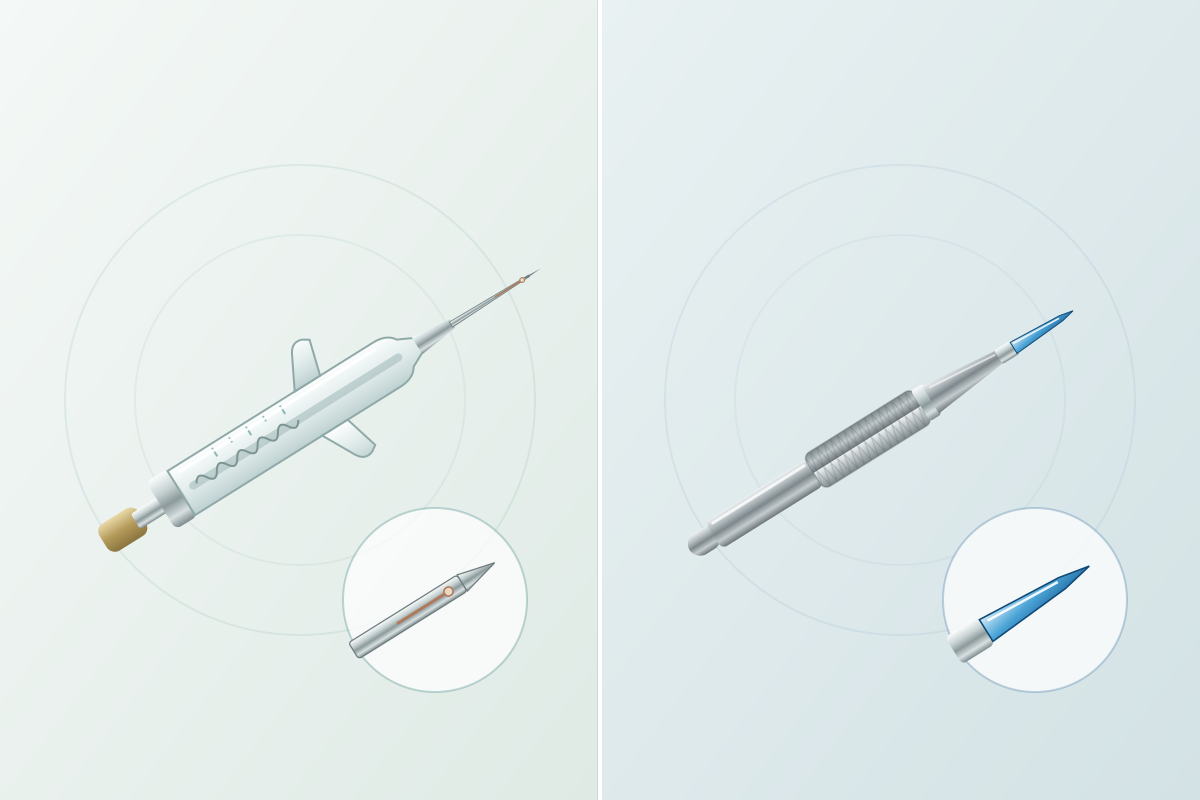
| DHI | Depends on the plan | Implanter pen | Working between existing hair, the hairline |
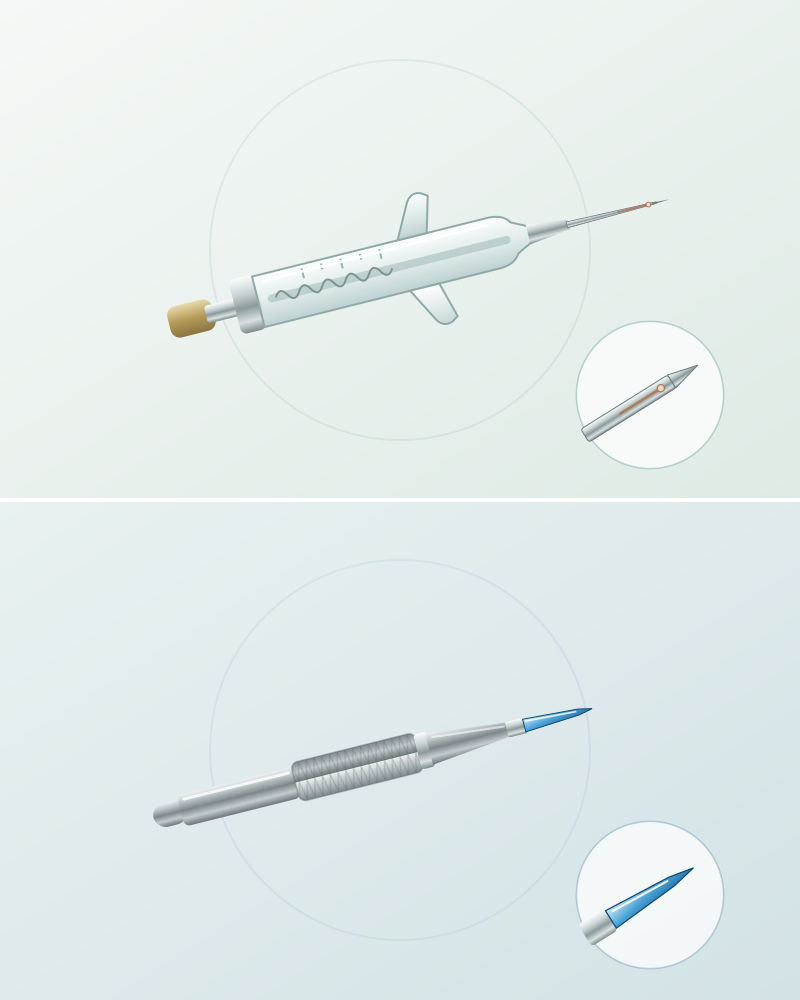
| Sapphire FUE | Usually yes | With forceps into channels opened by a sapphire blade | Larger bald areas, a high number of grafts |
DHI or Sapphire FUE?
This is one of the most common questions, and there is no single right answer. With DHI, the pen can open the channel between existing hairs and place the graft in the same step, which is why it is often chosen by people who do not want to trim their hair. With Sapphire FUE, all the channels are opened first; it is well suited to working with a large number of grafts over a wide area. Some plans combine the two: for example, the pen at the hairline and pre-made channels further back.
Long hair transplant versus unshaven transplant
In neither is the recipient area shaved. In a long hair transplant the grafts are implanted with their own long hairs, so a preview of the plan can be seen on the day of the procedure; these hairs usually shed in the first weeks. In an unshaven transplant the grafts are usually placed with short hairs and are barely noticeable among the existing hair. A long hair transplant takes more time, and the number of grafts that can be transferred in one session is more limited.
What determines the technique?
- The size of the bald area and the number of grafts needed.
- The density of the donor area and the capacity that may be needed in the future.
- The thickness, wave and colour of your hair, and its contrast with your skin.
- Whether you want to keep your hair long and when you expect to return to work.
- The cause and pace of the hair loss; treatment first, if needed.
Hairline design and a natural look
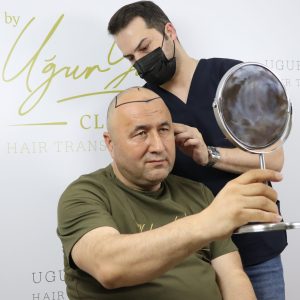
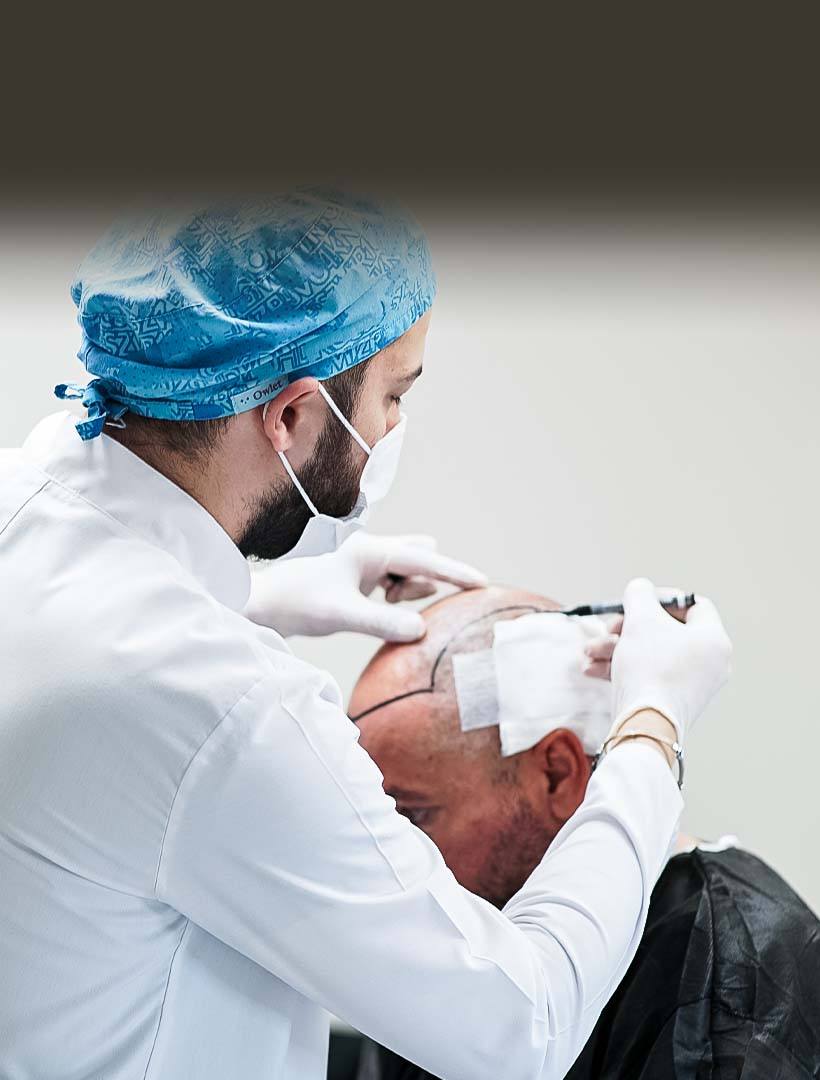
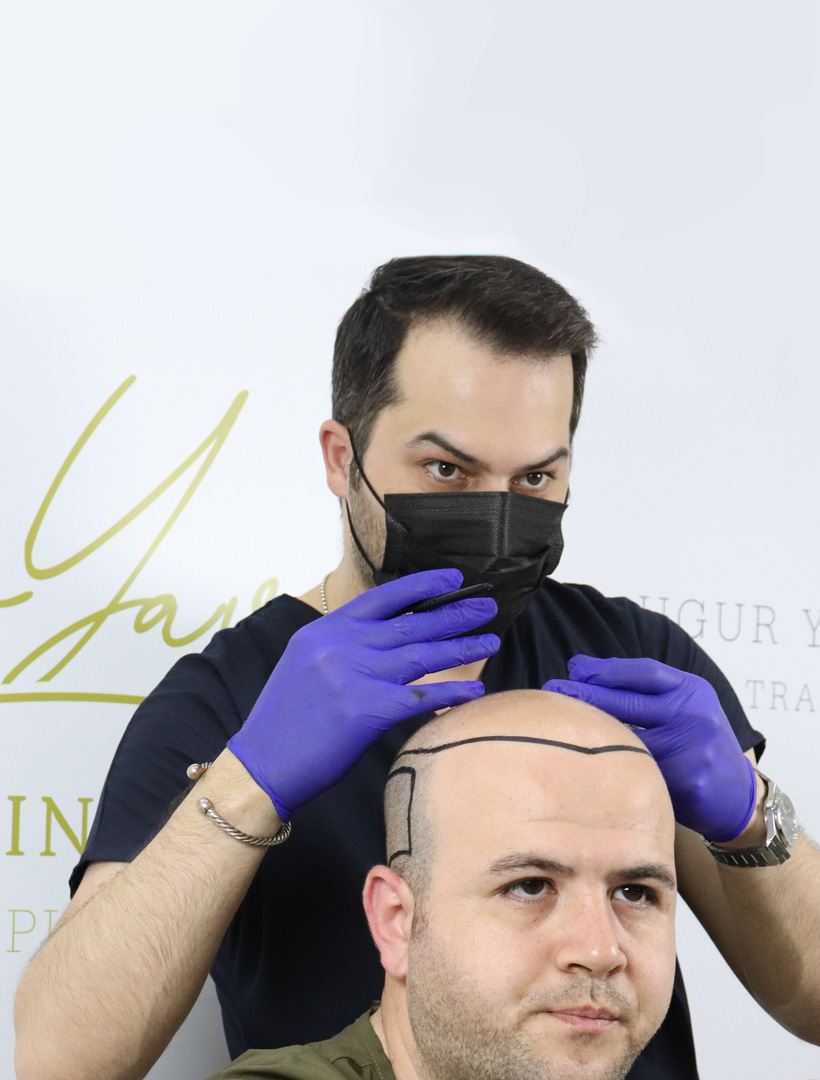
Whichever technique is chosen, a natural look rests on a hairline that suits your facial proportions and age, and on placing the grafts at the right angle, direction and density. Single-hair grafts are usually used at the hairline, while thicker grafts further back provide density. That is why a personalised plan matters more than the name of the technique.
Let's choose the right technique together
This page provides general information. Suitability and the plan are determined at the consultation; results vary from person to person.