
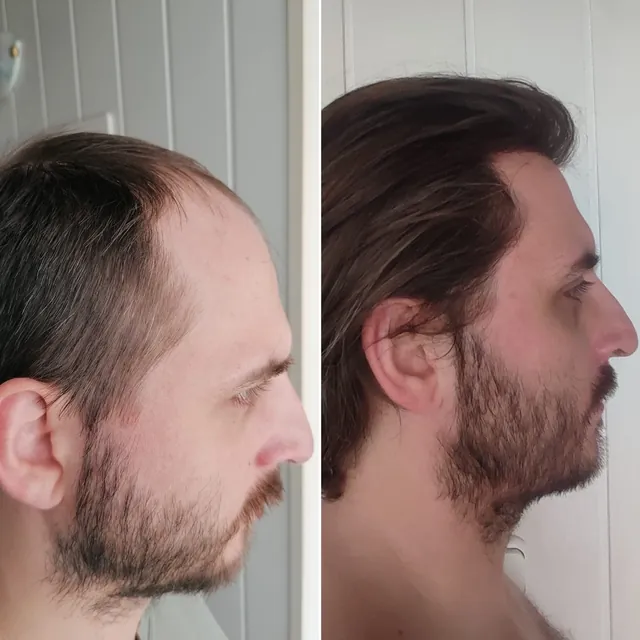
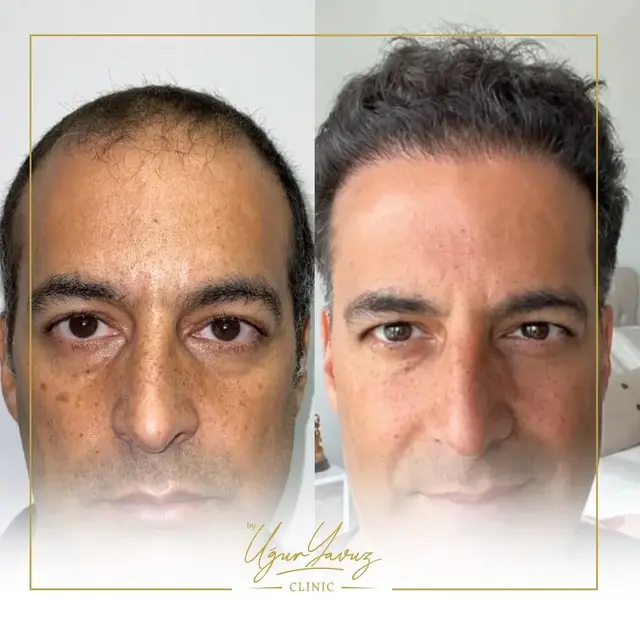
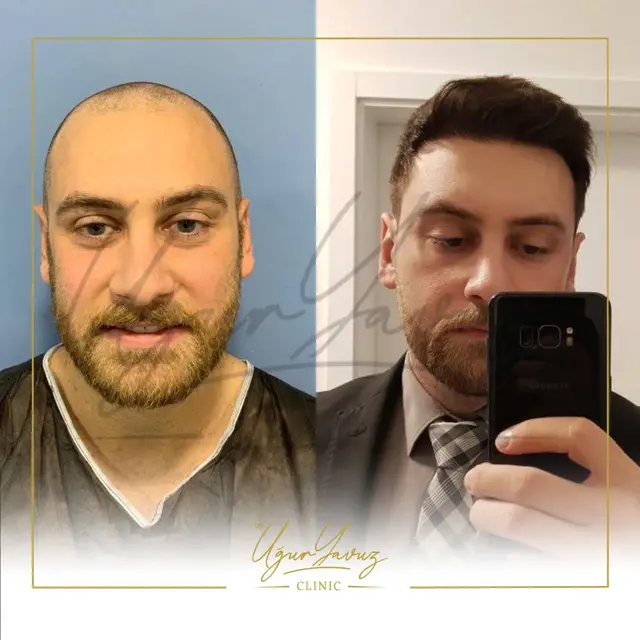
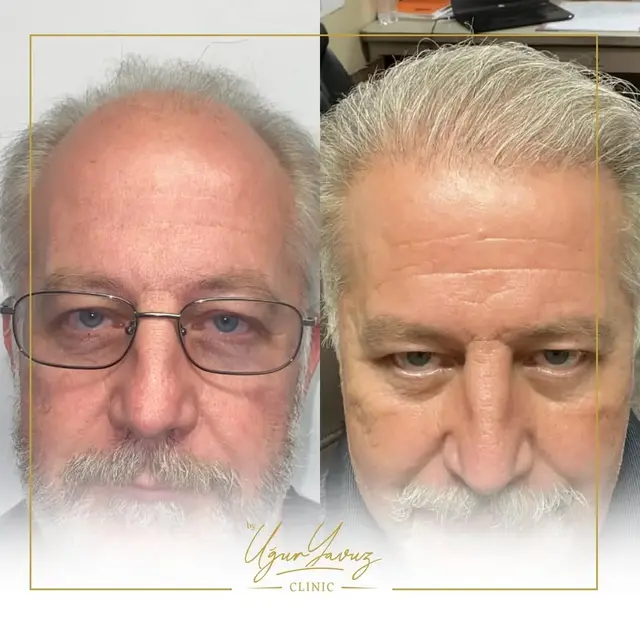
Introduction and assessment
Your expectations, hair loss history and donor area are assessed.
Your hair transplant takes place at our clinic in Istanbul, with options that do not require cutting your hair short. We assess whether a long hair or unshaven transplant suits you and decide together what is possible for you.
Discover the unshaven long hair transplantIf you live in Malta or Germany, you can request an in-person consultation before travelling to Istanbul: in Malta, or in Augsburg at our local partner's office. The hair transplant itself takes place in Istanbul.
Based on your hair type, donor area and expectations,
we decide on the right approach for you together.
A personally planned approach that aims to preserve your current hair length.
Take a closer lookPlacement with implanter pens, taking angle and direction into account.
View the procedure →Channel opening with sapphire blades and a personalised hairline design.
View the procedure →An approach in which hair follicles are taken one by one from the donor area.
View the procedure →Planning that suits your facial features and the natural direction of your beard.
View the procedure →Supportive treatments assessed according to
the cause of your hair loss.
It aims to support the area around the hair follicles with platelet-rich plasma prepared from your own blood. It may be considered as part of a personal care plan, particularly for genetic hair loss.
Explore the details →02An approach applied to the scalp through small injections, with its content and number of sessions set according to need. The first step is to understand the cause of the hair loss and what your hair really needs.
Explore the details →03It covers approaches that use cellular material obtained from the person's own tissue. Options to support hair density are assessed together with the content of the method and the scientific evidence.
Explore the details →04An approach being researched in hair health that makes use of structures involved in communication between cells. The product, how it is applied and the expected benefit are explained in a personal consultation.
Explore the details →
A hair transplant journey begins with understanding your expectations correctly. At Uğur Yavuz Clinic, we handle the preliminary assessment, treatment planning and follow-up with open communication.
Our goal is for you to understand your options for a look that suits your face, and to know what to expect at every stage of the process.
Your expectations, hair loss history and donor area are assessed.
The right technique, hairline and scope of the procedure are clarified in the consultation.
After the planned procedure, care and washing instructions are shared with you.
Healing and hair growth are followed according to your personal progress.
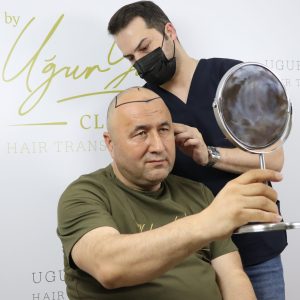
Donor area, hairline and realistic expectations.
Read the article →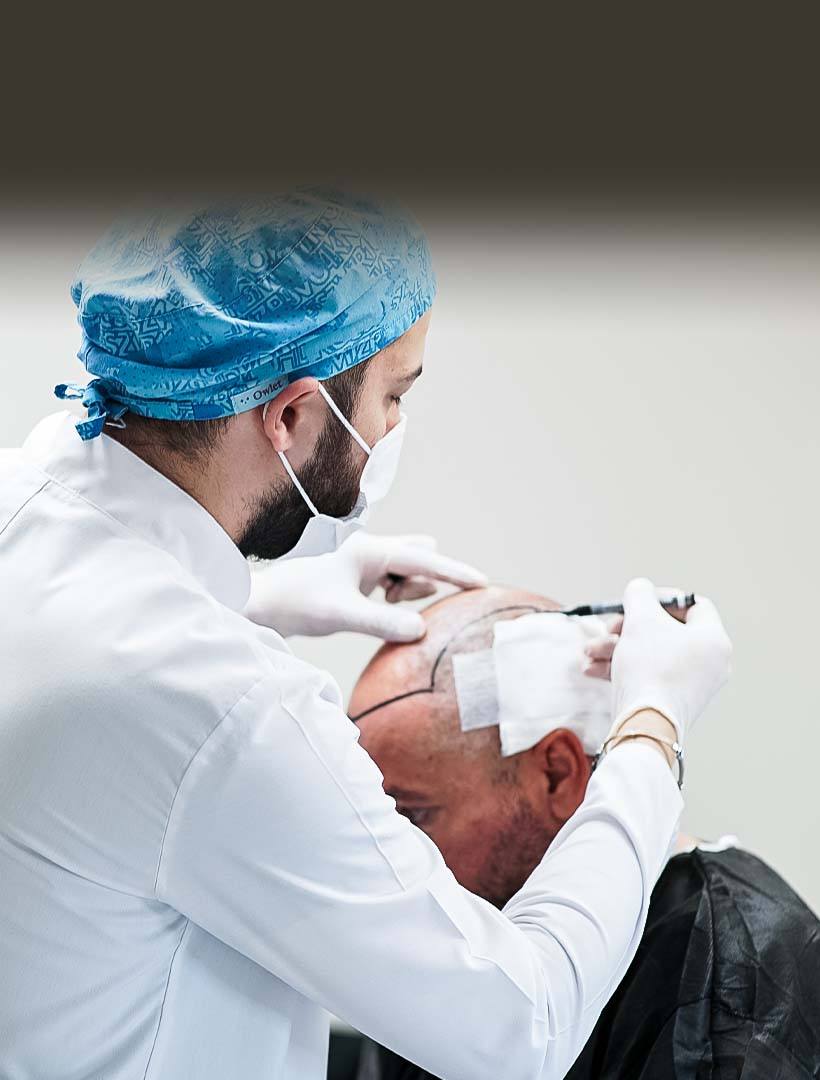
What to keep in mind during aftercare and healing.
Read the article →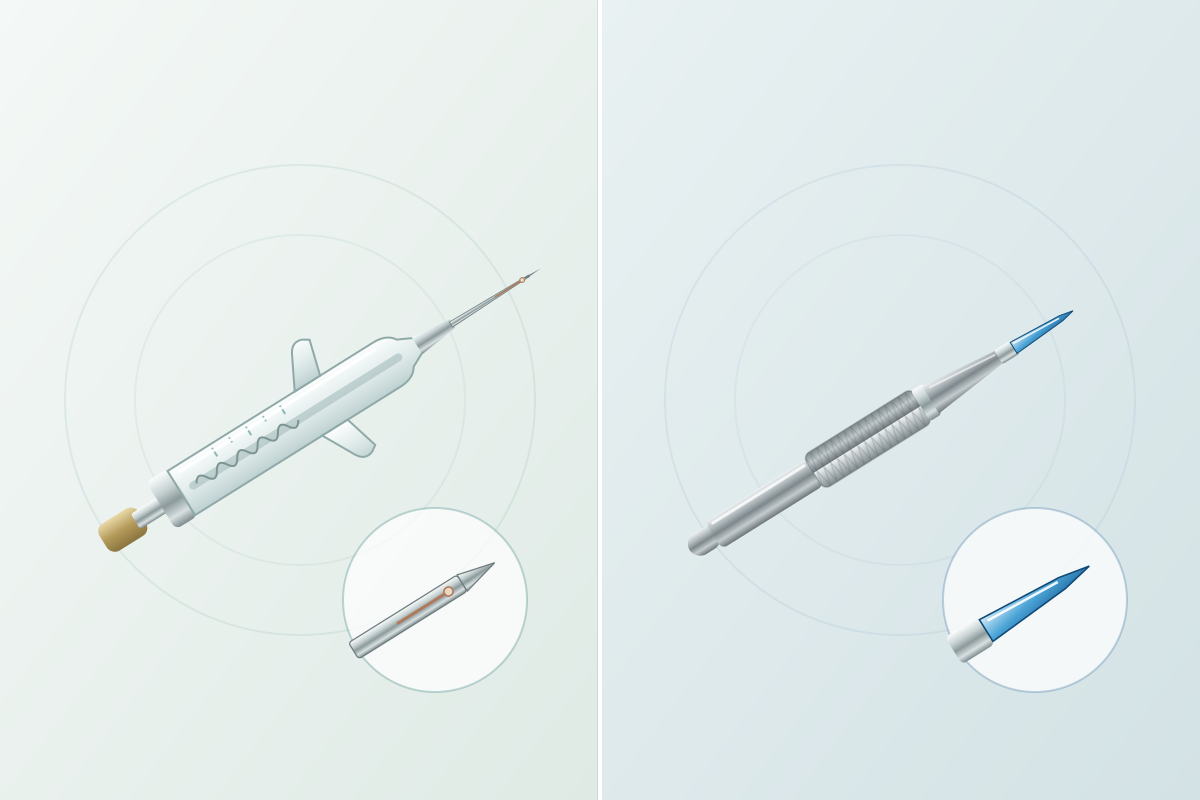
Personal suitability matters as much as the name of the technique.
Read the article →For questions specific to you,
please get in touch with us.
Suitability is not determined by the size of the thinning area alone. The cause and course of the hair loss, the condition of the follicles in the donor area, scalp health and your expectations are considered together. If there is an active scalp condition or ongoing rapid hair loss, this may need to be assessed first. A hair analysis is the first step to discuss whether a transplant or an approach aimed at preserving your existing hair should come first.
This approach aims to preserve hair length; however, it does not mean that a completely unshaven procedure is possible for everyone. Hair density, length, donor capacity and the area to be treated affect whether the method can be applied. Whether partial trimming is needed and how long the procedure will take become clear during the assessment. If keeping your current look matters to you, you can mention this during the analysis.
FUE describes taking follicles one by one from the donor area with small circular punches. DHI is the name given to placing the follicles with implanter pens. Sapphire FUE means that the follicles are extracted with FUE while the recipient channels are opened with sapphire blades. So these terms can describe different stages of the same procedure. The choice depends on hair structure, the area to be transplanted and safe donor planning; the name of a device alone is no guarantee of a better result.
A graft is a natural follicular unit that may contain one or more hairs; the number of grafts is not the same as the number of hairs. What you need depends on the size of the thinning area and the condition of your existing hair; what can be transplanted depends on donor capacity. The hairline is designed with age, facial proportions and the likelihood of future hair loss in mind. The aim is not simply a high number, but a balanced distribution that protects the donor area.
Hair transplants are mostly performed under local anaesthesia. You may feel some discomfort during the anaesthetic injections and after the procedure; promising a completely painless process would not be honest. Temporary swelling, redness and scabbing may occur. Your care, washing and activity plan is shared with you individually. If you notice signs such as increasing pain, fever or unexpected discharge, you should contact the healthcare team.
The transplanted hairs may shed temporarily within the first 2–8 weeks; this does not mean the follicles are lost. Growth happens in stages: for many people the change becomes noticeable within 6–9 months, and the final assessment may take up to 12 months. Timing and density vary from person to person. Regular photos taken from the same angles make it easier to compare progress.
No. PRP refers to platelet-rich plasma obtained from your own blood; mesotherapy refers to injecting various ingredients into the scalp. Autologous cellular approaches involve material prepared from the person's own tissue, while exosome treatments involve vesicles that play a role in communication between cells. The products used, the level of evidence and the risks differ. It should not be assumed that they all provide the same benefit or can replace a transplant.
A hair transplant relocates follicles; on its own it does not stop the process behind genetic hair loss. Thinning may continue in the existing hair outside the transplanted area. That is why a long-term plan should not be limited to the day of the procedure. Any protective treatments and check-ups that are needed are assessed with a physician; medication should not be started or stopped on your own.
The fee may vary depending on the planned area, the scope of the procedure, the approach used and the follow-up services. After the hair analysis, you can discuss openly which services are included in the offer. When deciding, it is important to consider not only the price or the number of grafts, but also the donor plan and the follow-up arrangements.
You can make first contact remotely, share your expectations and get information about planning your visit. Photos support the preliminary assessment; final suitability and the treatment plan are confirmed in a face-to-face assessment. Discussing with the team how much time to set aside for the procedure, the first check-up and aftercare before booking your travel will help you plan a more comfortable schedule.
Sources: AAD · ISHRS. Treatment details are clarified in a personal assessment.
Istanbul · Bahçelievler