What is an unshaven hair transplant?
In a classic transplant, both the area the follicles are taken from (the donor area) and the recipient area are cut short to make the work easier. In an unshaven transplant, the hair in the recipient area is left untouched. The follicles are taken from the donor area either by trimming thin strips that lie beneath the hair above them or by selecting them one by one; once the hair above is let down, these strips cannot be seen.
The hairs on the extracted follicles are usually short. As a result, when the procedure is finished the new follicles are barely visible among the existing hair, and from the outside your hair looks largely the same.
How it differs from a long hair transplant
The two terms are often confused. In an unshaven transplant, the defining feature is that the hair in the recipient area is not shaved. In a long hair transplant, the follicles are extracted and implanted with their own long hairs, and a preview of the plan can be seen on the day of the procedure. An unshaven transplant does not aim for such a preview; on the other hand, the procedure usually takes less time than a long hair transplant and more follicles can be worked with in one session.
| Topic | Unshaven | Long hair | Shaved |
|---|---|---|---|
| Recipient area | Not shaved | Not shaved | Cut short |
| Hairs on extracted follicles | Mostly short | Long | Short |
| Look on the day of the procedure | Largely unchanged | Implanted long hairs are visible | Area is short and noticeable |
| Follicles per session | Limited | More limited | Widest range |
Do you need to shave your head for a hair transplant?
Not necessarily. How much hair is trimmed depends on the approach chosen for you, and there are more options than “shaved” or “unshaven”:
- Shaved transplant: the donor area and the recipient area are both trimmed short. This is the classic approach and makes the work easiest.
- Without a full shave: only thin strips in the donor area are trimmed; the hair above covers them, and the recipient area is not shaved.
- Fully unshaven: the hair in the recipient area stays untouched, and the follicles in the donor area are selected one by one between the existing hairs.
- Long hair transplant: the follicles are extracted and implanted with their own long hairs.
The fewer hairs are trimmed, the more time and care the procedure needs, and the number of follicles that can be worked with in one session is usually more limited. Which option suits you is decided once your thinning area and donor area have been assessed.
Who is an unshaven hair transplant for?
As a general framework, it is considered in the following situations:
- People whose thinning is in a limited area such as the front hairline, the temples or the crown.
- People who want to add density to a thinning area between their existing hair.
- People who do not want to cut their hair short because of their work or daily life.
- People whose donor area is dense enough.
If the thinning area is large, many follicles are needed or the cause of the hair loss has not yet been investigated, a shaved transplant or a treatment for the hair loss first may be more suitable.
Unshaven hair transplant for men
Male pattern hair loss usually starts at the front hairline and the crown. For men whose loss is limited, or who want to add density to a previous transplant, an unshaven transplant can be discussed. Because hair loss can progress with age, the plan is not based only on today's thinning; the capacity the donor area may need in the future is also preserved.
Unshaven hair transplant for women
In women, hair loss often appears as general thinning rather than a specific bald area, and causes such as hormones, iron deficiency or thyroid problems may play a role. That is why the cause of the loss is investigated first. For women who do not want to cut their hair short and have thinning in a limited area, an unshaven transplant may be one of the options.
Unshaven DHI hair transplant
When working between existing hairs, the follicles are often placed with the implanter pen used in the DHI technique. Because the pen can open the channel and place the follicle in the same step, it can make working between the existing hairs easier. Sapphire FUE, in which the channels are opened in advance, is also used in some unshaven plans. Which technique is chosen depends on the size of the area and your hair type.
The procedure and afterwards
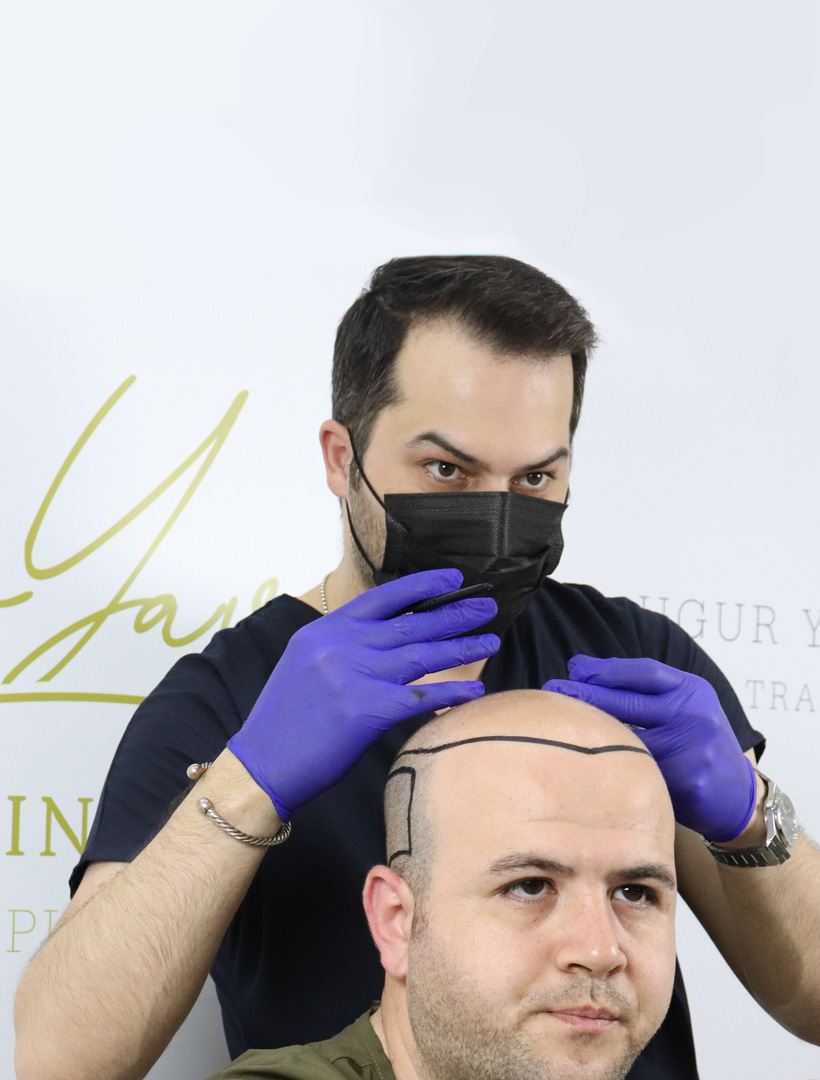
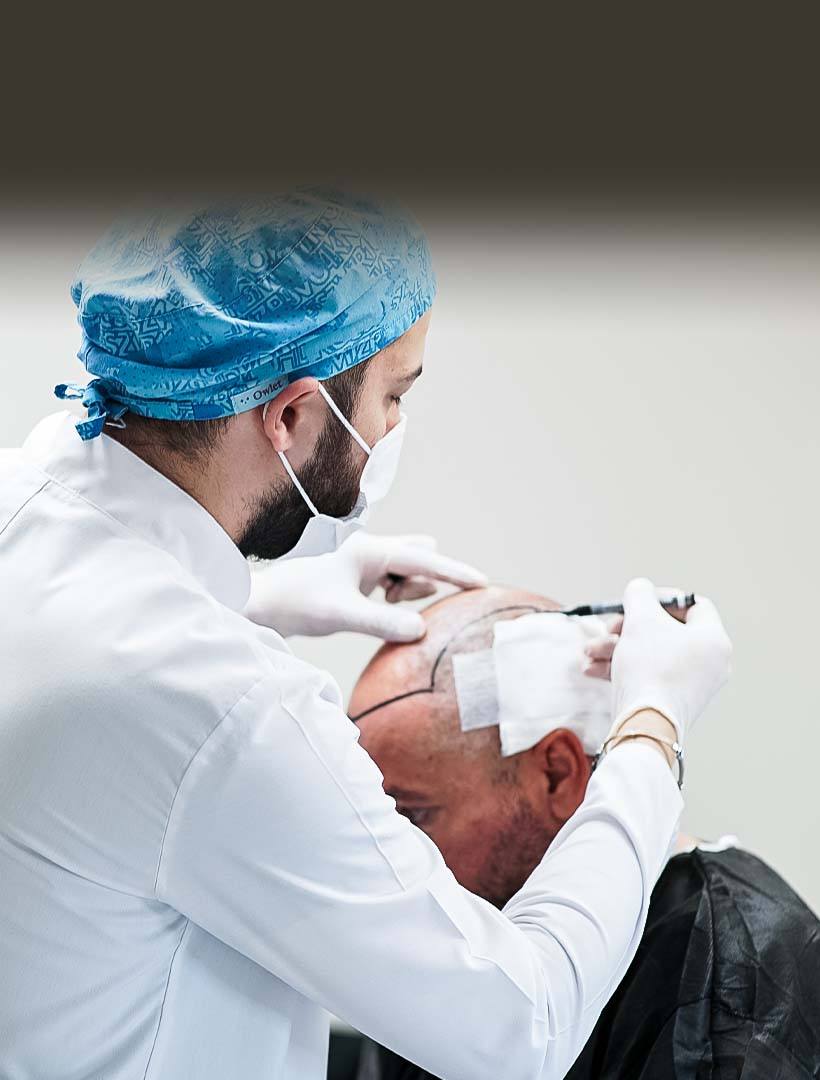
The recipient area and hairline are drawn together with you, and local anaesthesia is then applied. The follicles are extracted one by one from hidden strips in the donor area and placed following the direction of the existing hair. The procedure usually takes longer than a shaved transplant with the same number of follicles.
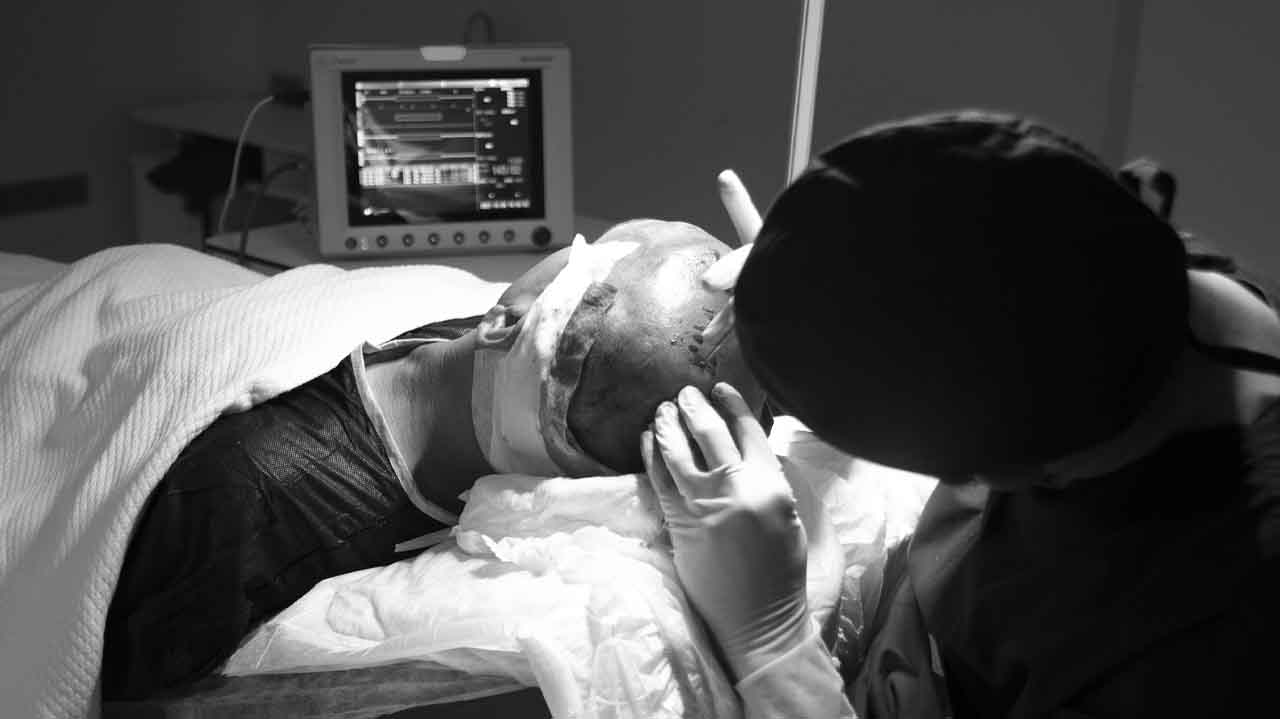
Redness and small scabs in the recipient area are expected in the first days; the existing hair partly covers them but may not hide them completely. The hairs of the implanted follicles may shed in the first weeks, and temporary shedding may also occur in the surrounding hair. New hair usually starts to grow after a few months; it mostly takes about a year before the result can be assessed. Aftercare details are given to you in writing after the procedure.
Let's talk about your suitability
Frequently asked questions
Is no hair cut at all in an unshaven hair transplant?
The hair in the recipient area is not cut. In the donor area, thin strips beneath the hair above are usually trimmed to extract the follicles, or the follicles are selected one by one; these areas cannot be seen once the hair is let down.
Are an unshaven transplant and a long hair transplant the same thing?
No. In both, the recipient area is not shaved, but in a long hair transplant the follicles are implanted with their long hairs and give a preview on the day of the procedure. In an unshaven transplant, the follicles are mostly placed with short hairs.
How many follicles can be implanted in an unshaven transplant?
No single number can be given. Compared with a shaved transplant, the number of follicles that can be transferred in one session is usually more limited; the actual number is planned according to the size of the thinning area, your donor area and your hair type.
How long will I need to stay away from work?
Because your hair is not cut short, your appearance changes less; however, the redness and scabs in the first days may be noticeable up close. When to return is discussed based on the type of work you do and how your healing progresses.
This page provides general information. Suitability and the plan are determined during an examination; results vary from person to person.