
What is a beard transplant?
In a beard transplant, the follicles are mostly extracted one by one from the back of the head using the FUE method and placed in the cheeks, chin, sideburns or moustache area where the beard is sparse. The transplanted follicles grow like beard hair over time; they can be shaved and styled.
It may be considered for people whose beard does not grow at all, people with gaps on the sides, areas where the beard does not grow because of scars or burns, and people who want a more defined beard line.
The secret of a natural look: angle and direction
Facial hairs grow in a different direction in each area. On the cheeks they grow downwards and slightly backwards, on the chin downwards and on the moustache towards the sides. If the follicles are not placed in line with these directions and at a very flat angle to the skin, the beard may stand up and look artificial. That is why the direction of the existing hairs is examined one by one during planning.
Density does not have to be the same in every area either. The upper edge of the cheek line can be planned softer and sparser, while the chin and moustache can be denser. These transitions make the beard look as though it grew on its own rather than "transplanted".
How does a beard transplant progress?
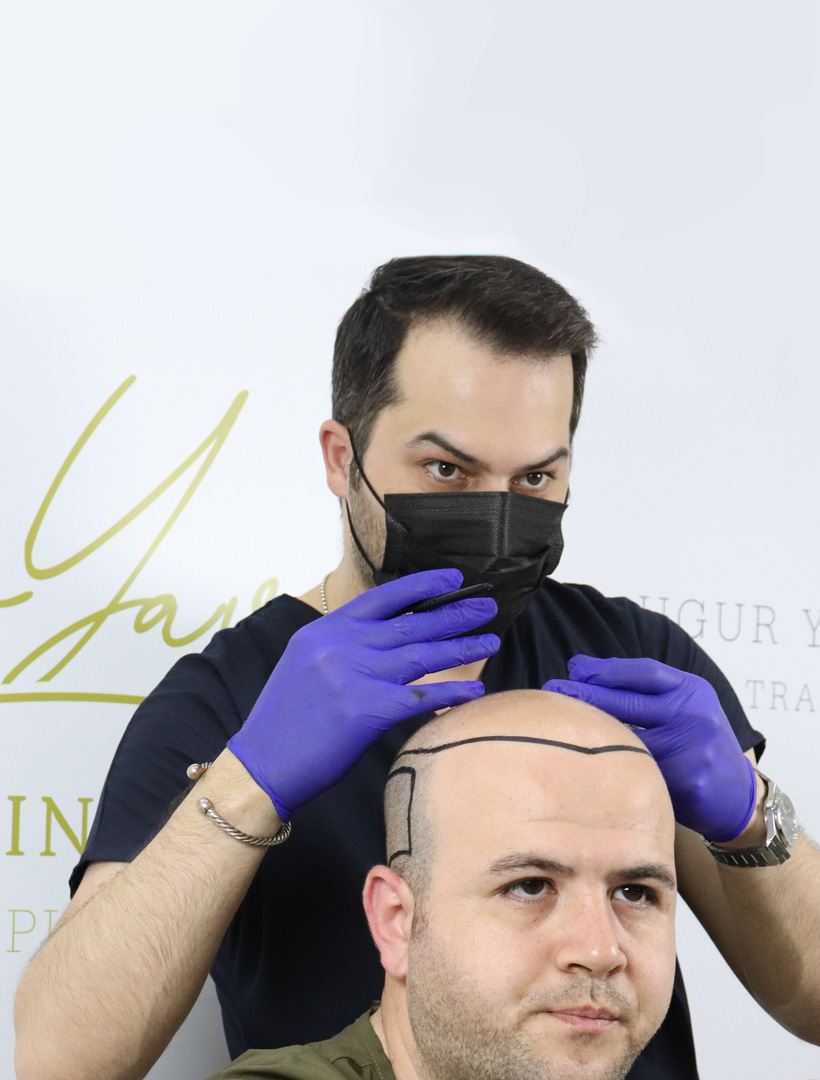
- Design: the beard shape you want is discussed and drawn; a realistic outline is set according to your facial proportions.
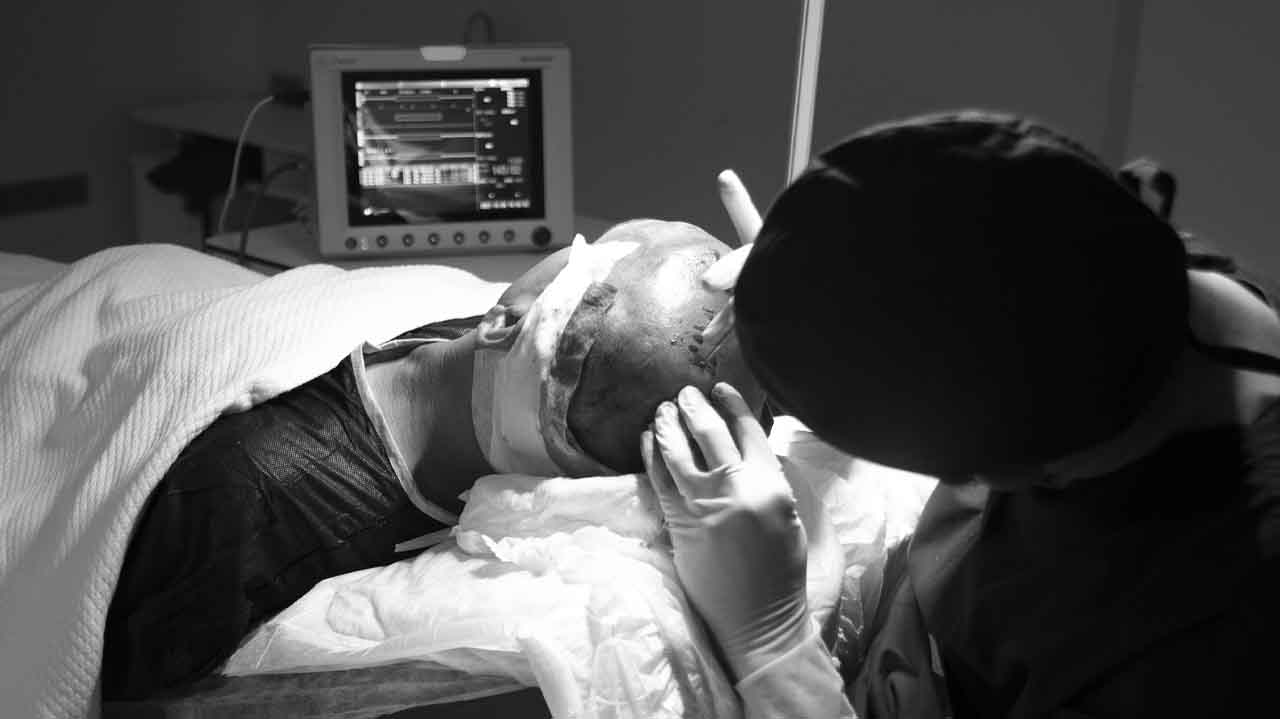
- Extraction: under local anaesthesia, follicles with fine hairs are extracted from the donor area.
- Placement: the follicles are placed one by one in the beard area at the planned angle and density.
- Aftercare: a written aftercare plan for washing your face and shaving in the first days is provided.
Healing and results
In the first days there may be small scabs and slight redness at the implant points; in most people this decreases noticeably within a week. As with a hair transplant, some of the implanted hairs may shed in the first weeks. New hairs usually start to appear within a few months; the result becomes clearer over time and is assessed at around one year.
When you can start shaving and which shaving method to use are explained individually in your aftercare plan.
Who might it not be suitable for?
If there is active acne, eczema or infection on the face, this needs to clear up first. With conditions that cause patchy hair loss in the beard (for example, ring-shaped hair loss in the beard area), the cause of the loss needs to be assessed first. Because the donor area is used for both beard and hair transplants, telling us during the consultation if you are also considering a hair transplant in the future will affect the plan.
Let's plan your beard line together
Frequently asked questions
Is a transplanted beard permanent?
Follicles taken from the back of the head are generally resistant to hair loss; once they take, they are expected to remain for a long time. Even so, results vary from person to person.
Will the transplanted beard look different from the rest of my beard?
Hair from the back of the head can be slightly finer and softer than beard hair. When placed at the right angle and a suitable density, the aim is for it to blend in with your existing beard.
How is the cost of a beard transplant determined?
Because the area to be treated and the number of follicles vary from person to person, the fee is given after the first consultation.
This page provides general information and is not a treatment recommendation. Suitability is determined during an examination; results vary from person to person.